
Breaking Free from the Mold: 3D Printing Lets Metal Hardware Grow Freely
October 27,2025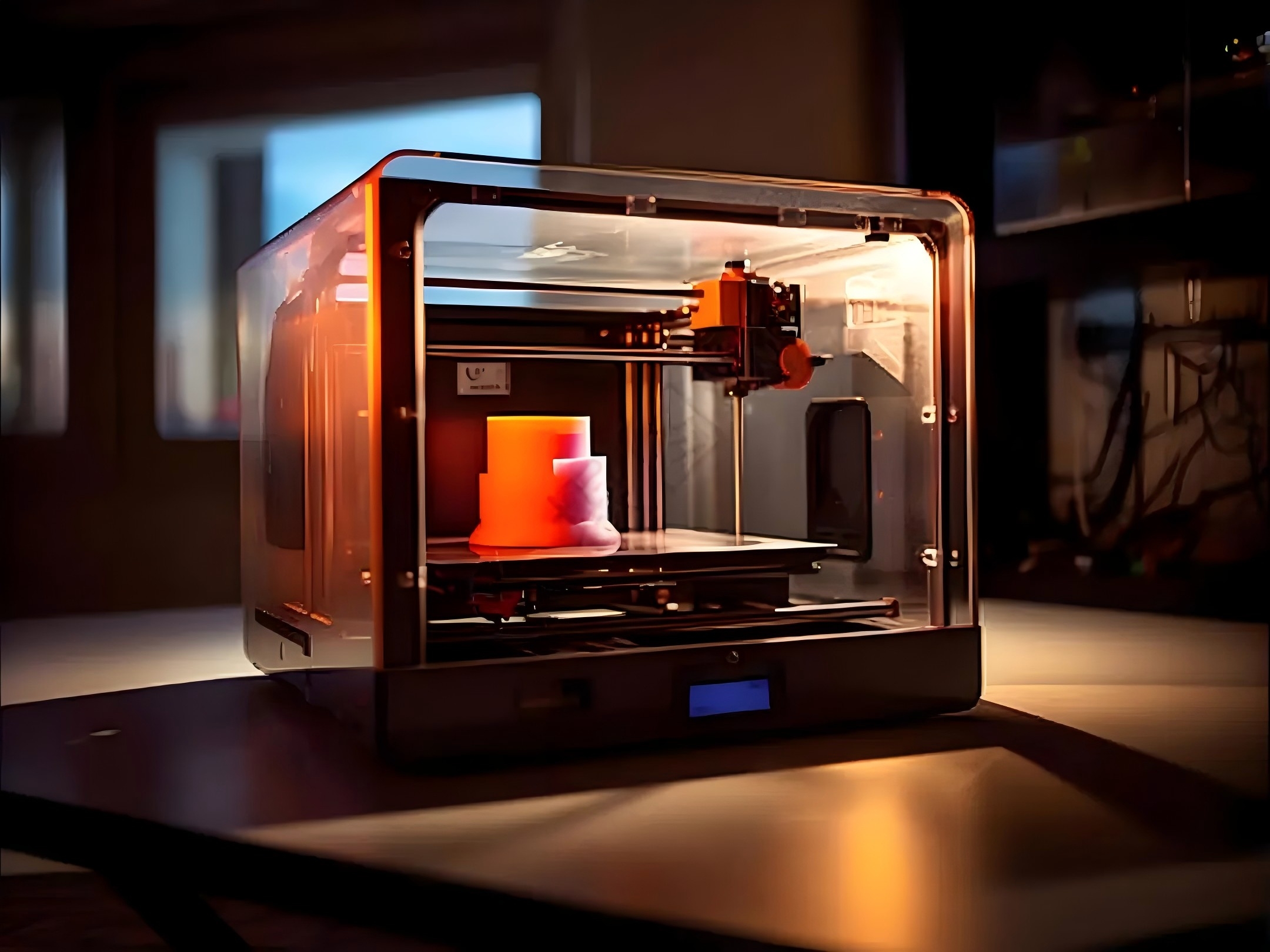
Lately, when we talk about 3D-printed metal hardware, everyone in the industry seems to agree on one thing — those “ideas we could dream of but never make” are finally becoming real. This isn’t just a new technique; it’s a whole new way of thinking about manufacturing.
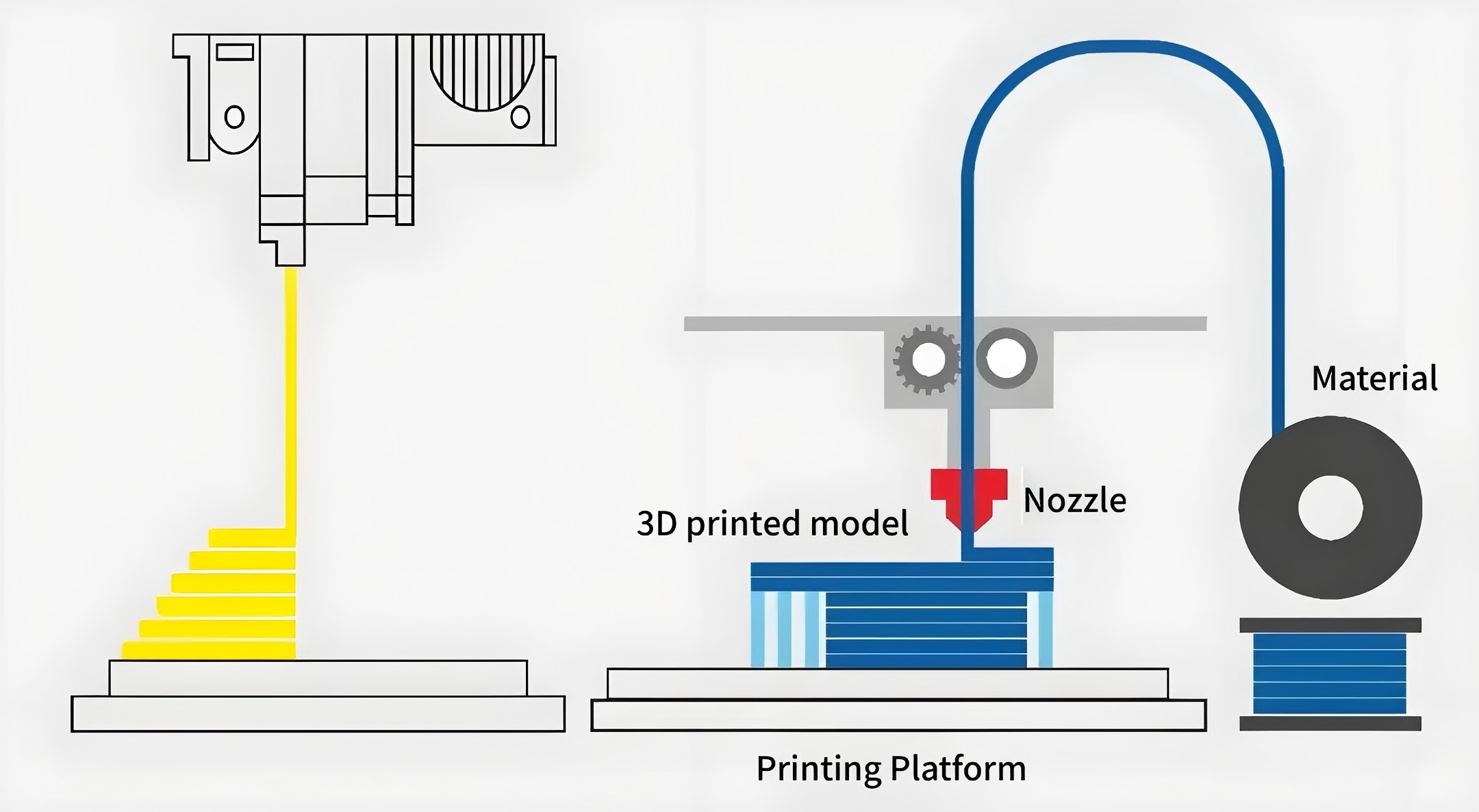
In the past, molds were like a tightening spell — no matter how brilliant your concept was, it had to fit the mold. 3D printing breaks that rule completely. A spiral-shaped handle or a connector with gradient perforations designed in Rhino can now be “baked” layer by layer with laser precision. The process is almost like baking: metal powder is your flour, the laser your oven, and the heat treatment the final “resting” step. The result? A flawless part that’s as strong and stable as a forged one.
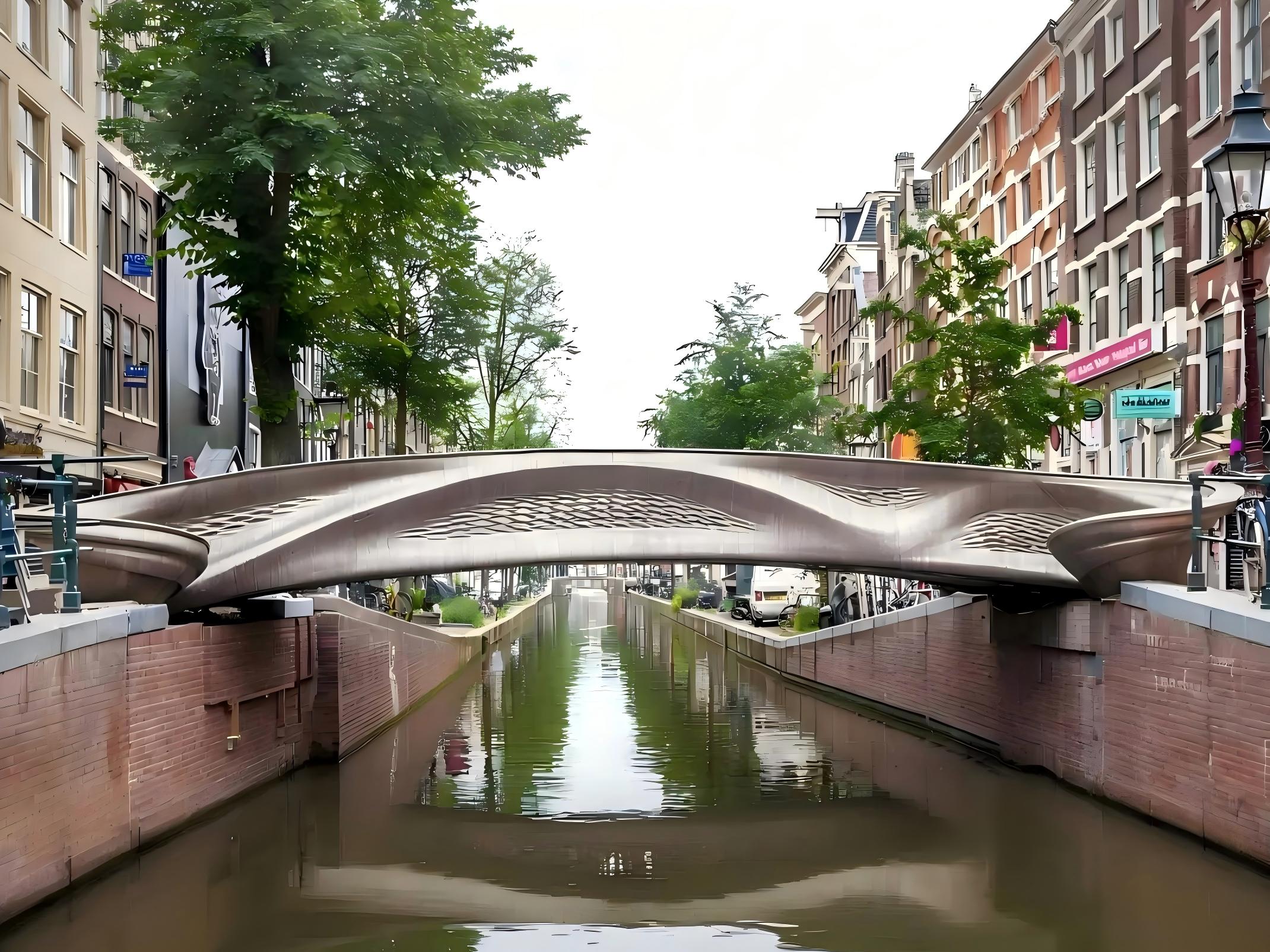
Even better, it’s not just about freedom in design — it’s a step toward a greener future. According to the Fraunhofer Institute in Germany, using 3D-printed hardware in architectural projects can cut material waste by around 60%, while reducing carbon emissions by nearly the same rate. The MX3D Bridge in Amsterdam proves the point — the world’s first 3D-printed steel bridge used just 4.5 tons of steel, redefining efficiency.
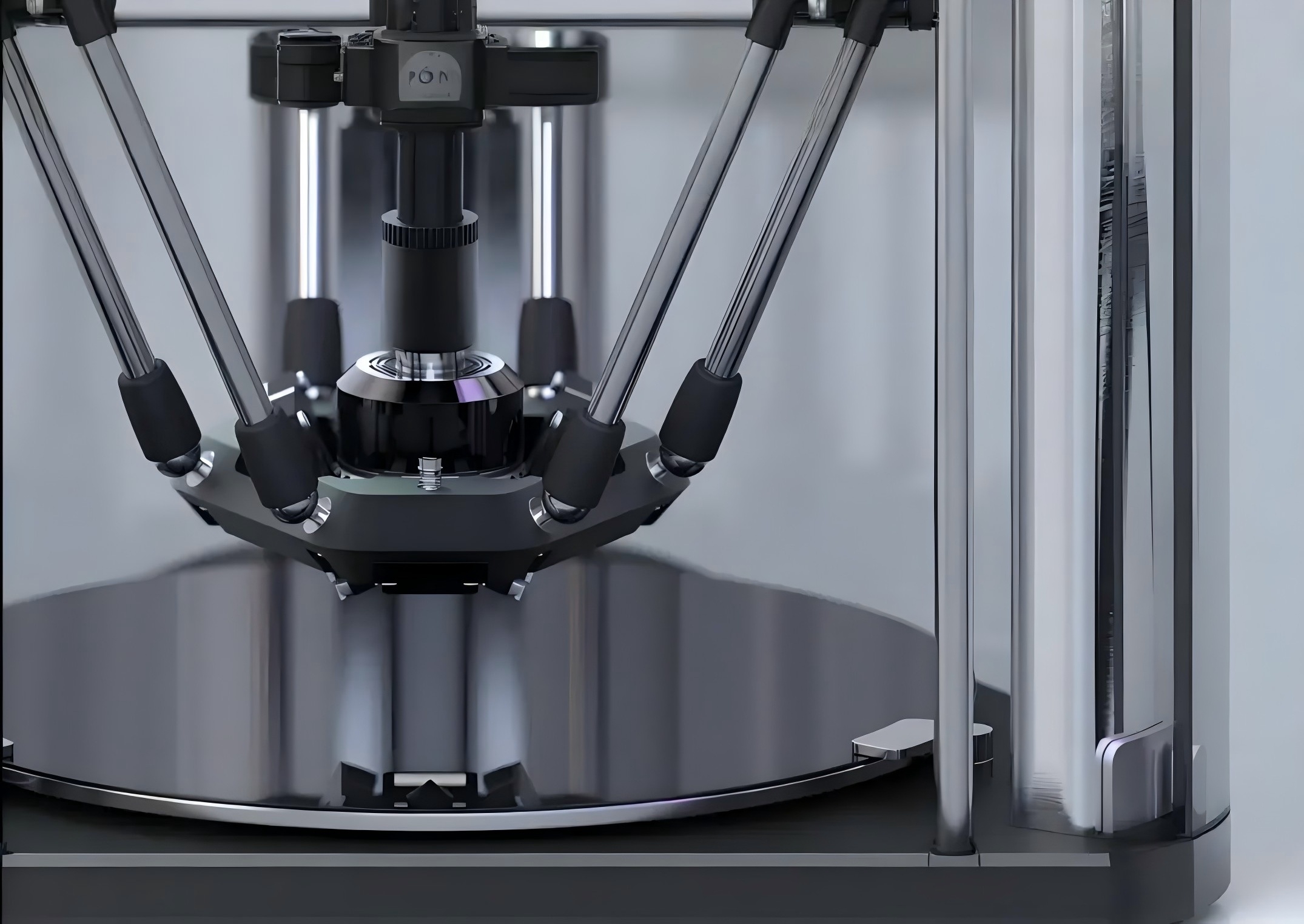
For designers and architects, the beauty of 3D printing lies in one word: no compromise. You no longer have to trade aesthetics for function, or creativity for manufacturability. Because in great design, even a simple handle should carry its own logic — and its own attitude.