
From Prefabricated Components to Transparent Glass: The Eiffel Tower’s Century of Innovation
October 10,2025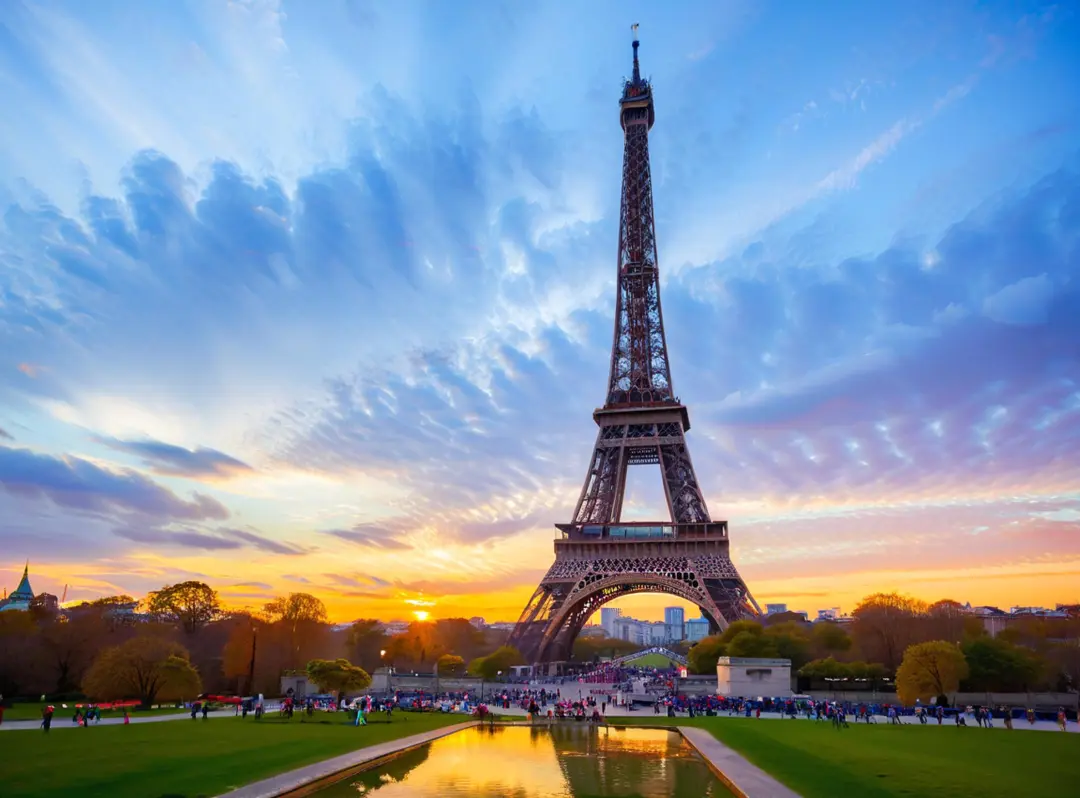
Rising 330 meters above the banks of the Seine, the Eiffel Tower has stood watch over Paris for more than 130 years. From its pioneering use of prefabricated components in the late 19th century to the addition of ultra-strong transparent glass flooring in recent years, it remains a timeless emblem of engineering ingenuity and technological progress.
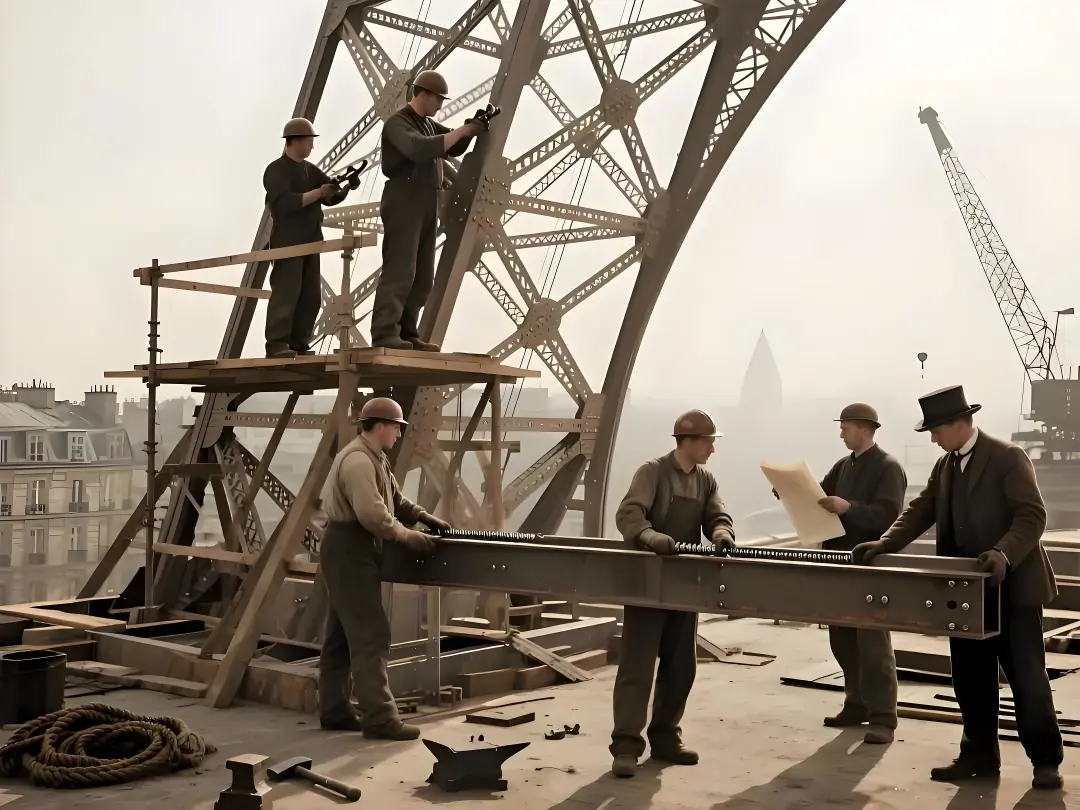
When construction began in 1887, the tower broke new ground with its prefabricated approach. More than 18,000 wrought iron pieces were precisely manufactured in factories, then assembled on-site with 2,500,000 red-hot rivets. This “giant Lego” method enabled 300 workers to complete the main structure in just two years—with an accuracy margin of less than one centimeter. Here’s a translation that aligns well with Western expression and style.
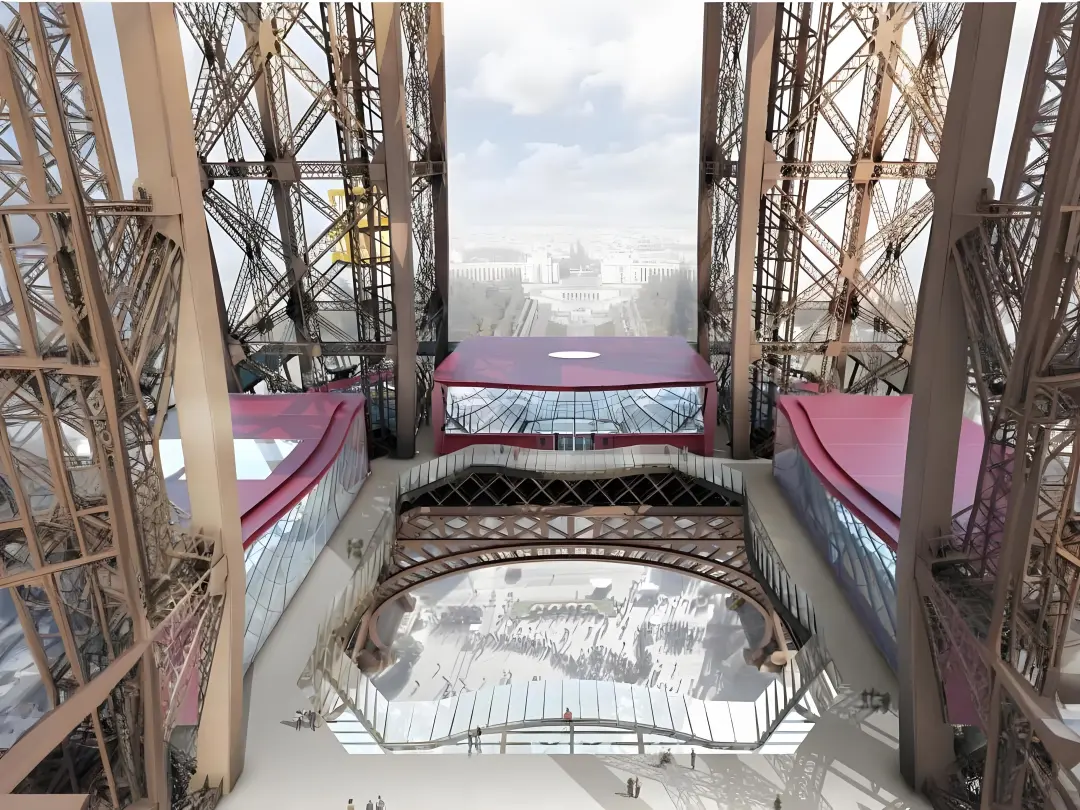
In 2014, the Eiffel Tower’s first level was transformed into a fully transparent glass observation platform. Perched 57 meters above the ground, visitors can take in sweeping views of Paris through the clear glass beneath their feet. More than just a stunning vantage point, the platform is a showcase of modern engineering and materials science focused on safety. The glass flooring was supplied by the renowned manufacturer Saint-Gobain, combining excellent slip resistance with exceptional structural strength. Its surface features a precise dotted pattern created through screen-printing, which helps reduce the risk of slipping.
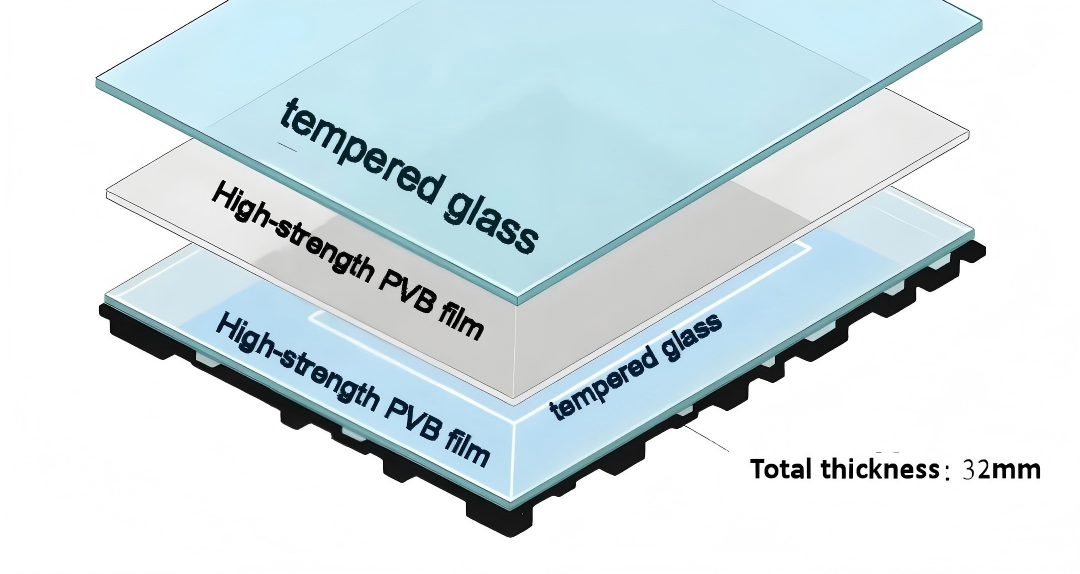
The floor is made up of three layers of tempered glass laminated with two layers of high-strength PVB film, totaling 32 millimeters in thickness. According to Saint-Gobain, each square meter can support loads of up to 500 kilograms. From the industrial ingenuity hidden within its structure to the transparent glass beneath visitors’ feet, the Eiffel Tower showcases the harmonious coexistence of time and technology. It is not only a monument to history but also a living testament to the continuous evolution of architectural innovation.