
DFMA: Efficiently Bringing Design to Life
March 19,2026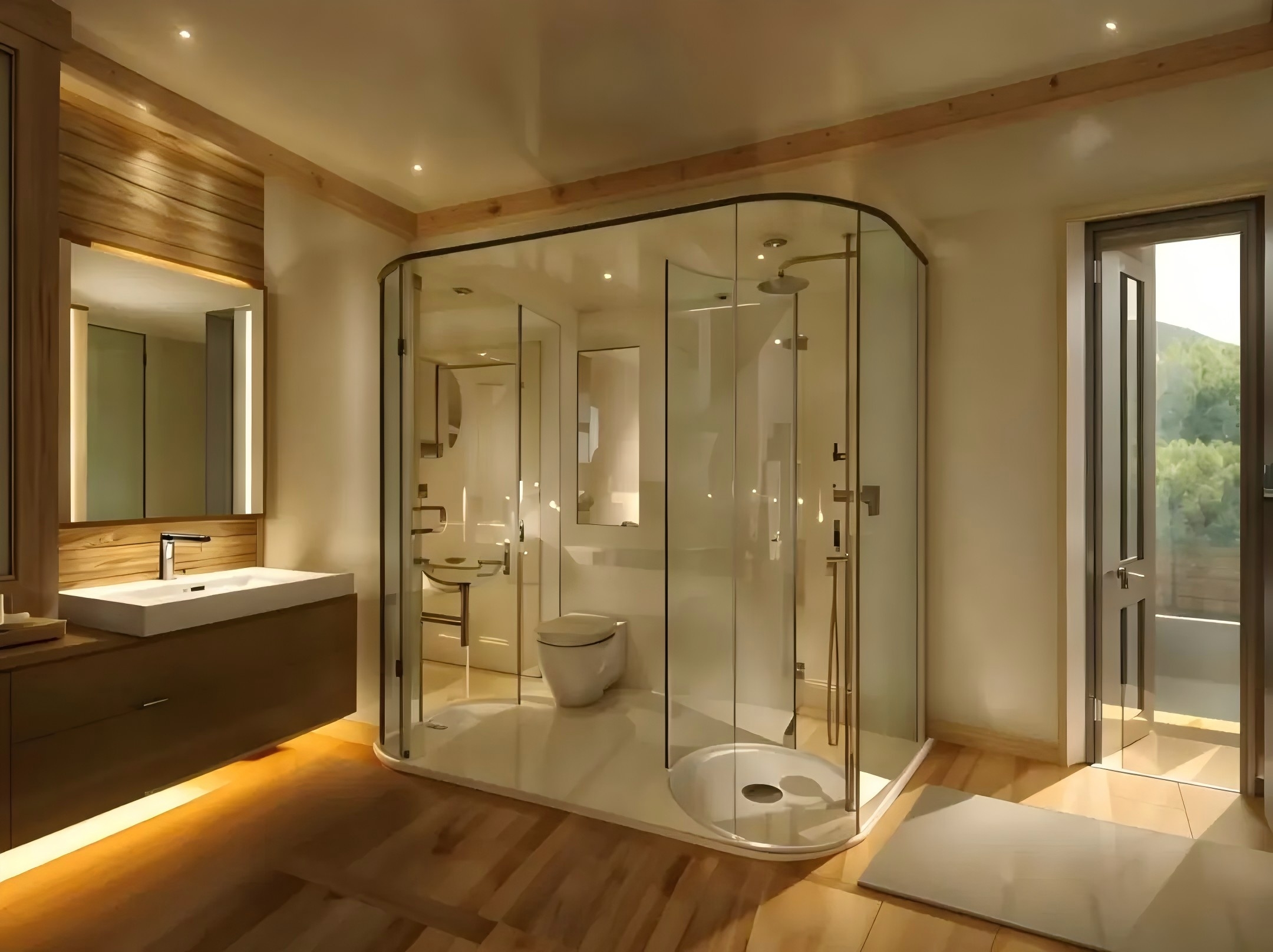
The romance of design lies in perfectly translating creative ideas into tangible reality. When ideal blueprints meet the practicalities of construction, DFMA (Design for Manufacturing and Assembly) serves as the very bridge connecting imagination to realization.
 DFMA (Design for Manufacturing and Assembly) is an innovative design methodology whose core is to comprehensively take into account manufacturing and assembly requirements at the early design stage. This philosophy drives designers to break through traditional boundaries, treating each component as a unit with inherent manufacturability and assemblability, while fully considering its production processes, connection methods and modular combination strategies. In the international journal Lecture Notes in Civil Engineering, scholars Abrishami and Martin-Duran demonstrated in their 2021 paper BIM and DFMA: A Paradigm of New Opportunities that DFMA can effectively optimize material usage, reduce waste and facilitate future disassembly and recycling.
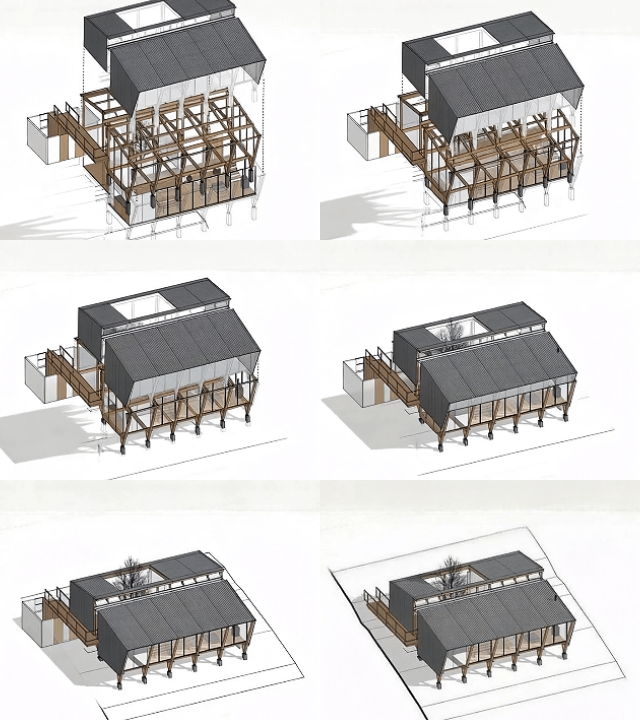
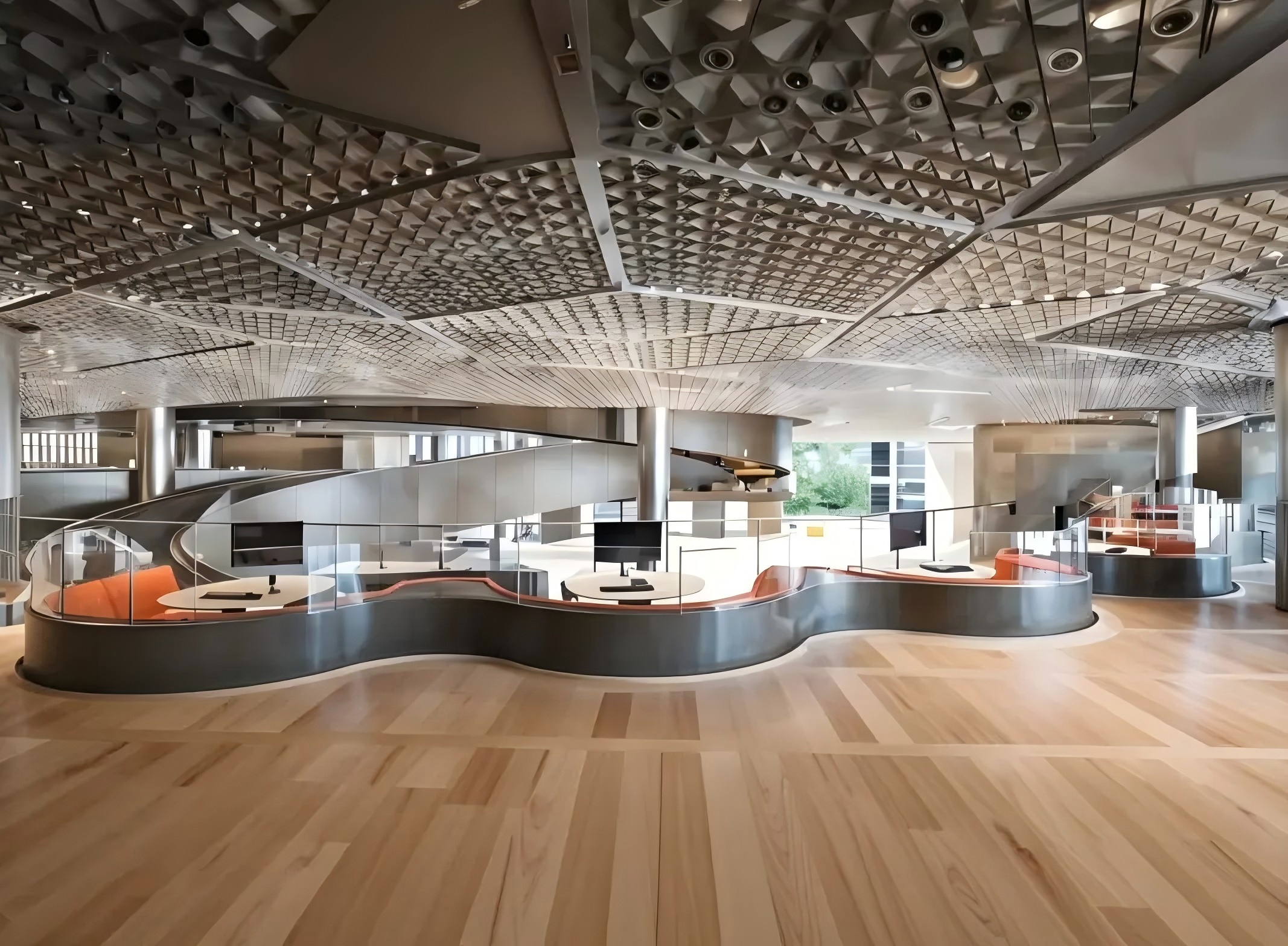
In prefabricated modular construction, DFMA manifests itself by dividing buildings into standardized modules, which are precisely manufactured in factories before being transported to the site for efficient assembly. This model not only significantly improves construction efficiency but also ensures the stability and consistency of building quality. The new European headquarters of Bloomberg in London, UK, is an outstanding example of DFMA application. Its innovative ceiling panels integrate lighting, air conditioning, fire protection and acoustic functions. All are prefabricated in factories and only require plug-in installation on site. This design philosophy and construction method effectively reduce material waste and on-site workload. In this way, DFMA achieves collaboration between architectural design and engineering implementation.